Loading

Loading
Armament Intelligence / Tactical Armament Awareness
Squad Ammunition Awareness
A tactical armament-awareness family, passive weapon sensing designed to give operators, leaders, and armories live ammunition and usage truth from the individual weapon to the formation.
The Problem
The SAA approach
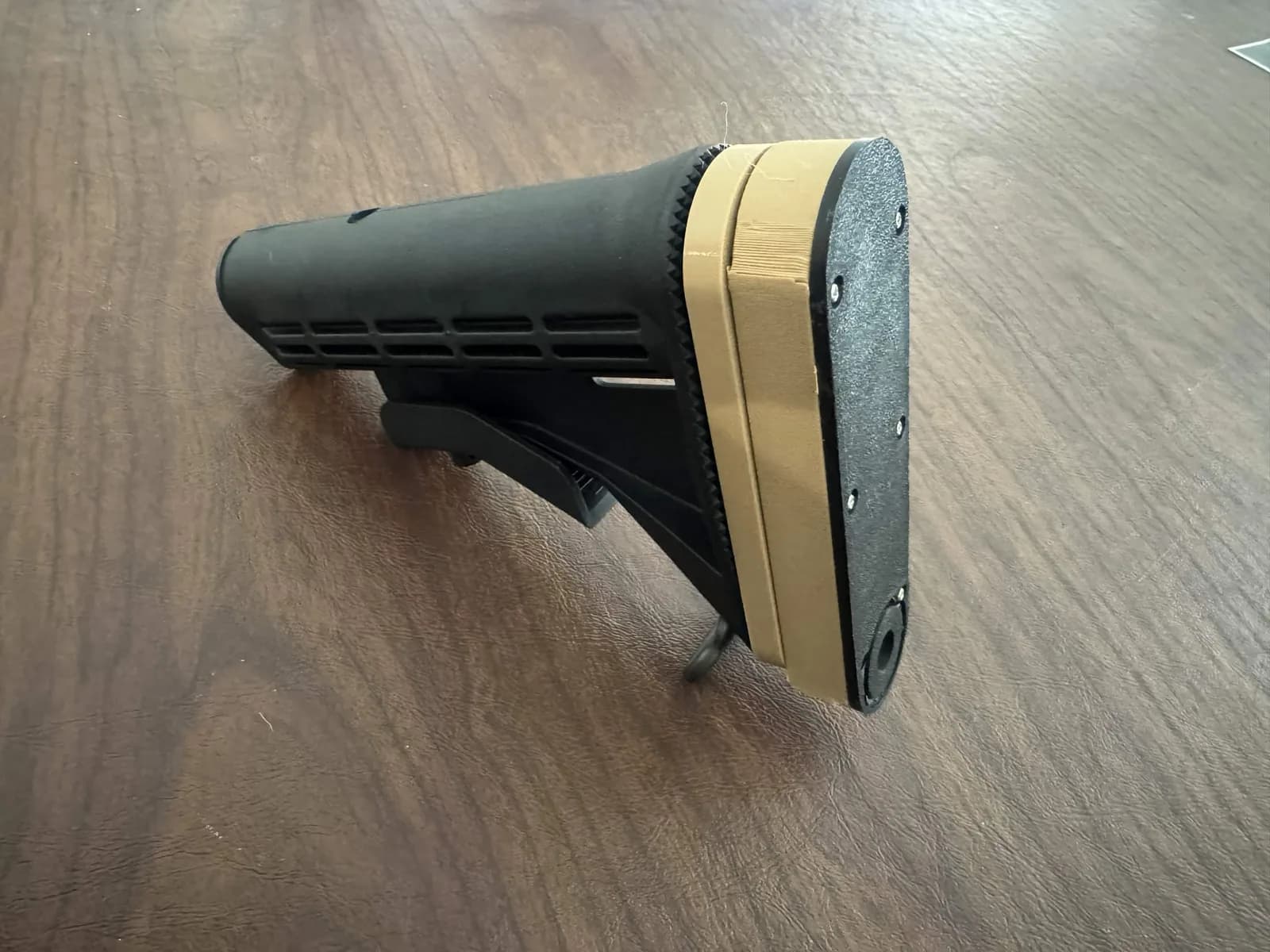
Passive external sensing on the weapon counts and classifies every firing event locally, then moves status over the existing mission network, aggregating from position toward the formation. Nothing inside the bore, no fire-control interface, no change to baseline weapon operation: if every sensor fails, the operator still holds a fully functioning weapon.
Designed For
Live ammunition-state awareness from the individual weapon to the formation
One sensing family across individual, crew-served, and mounted host classes
Automated armory usage records and maintenance triggers
Edge classification on the weapon; no cloud dependency
Graceful degradation by design; the weapon is never dependent on the sensor
Intended Users
Gallery
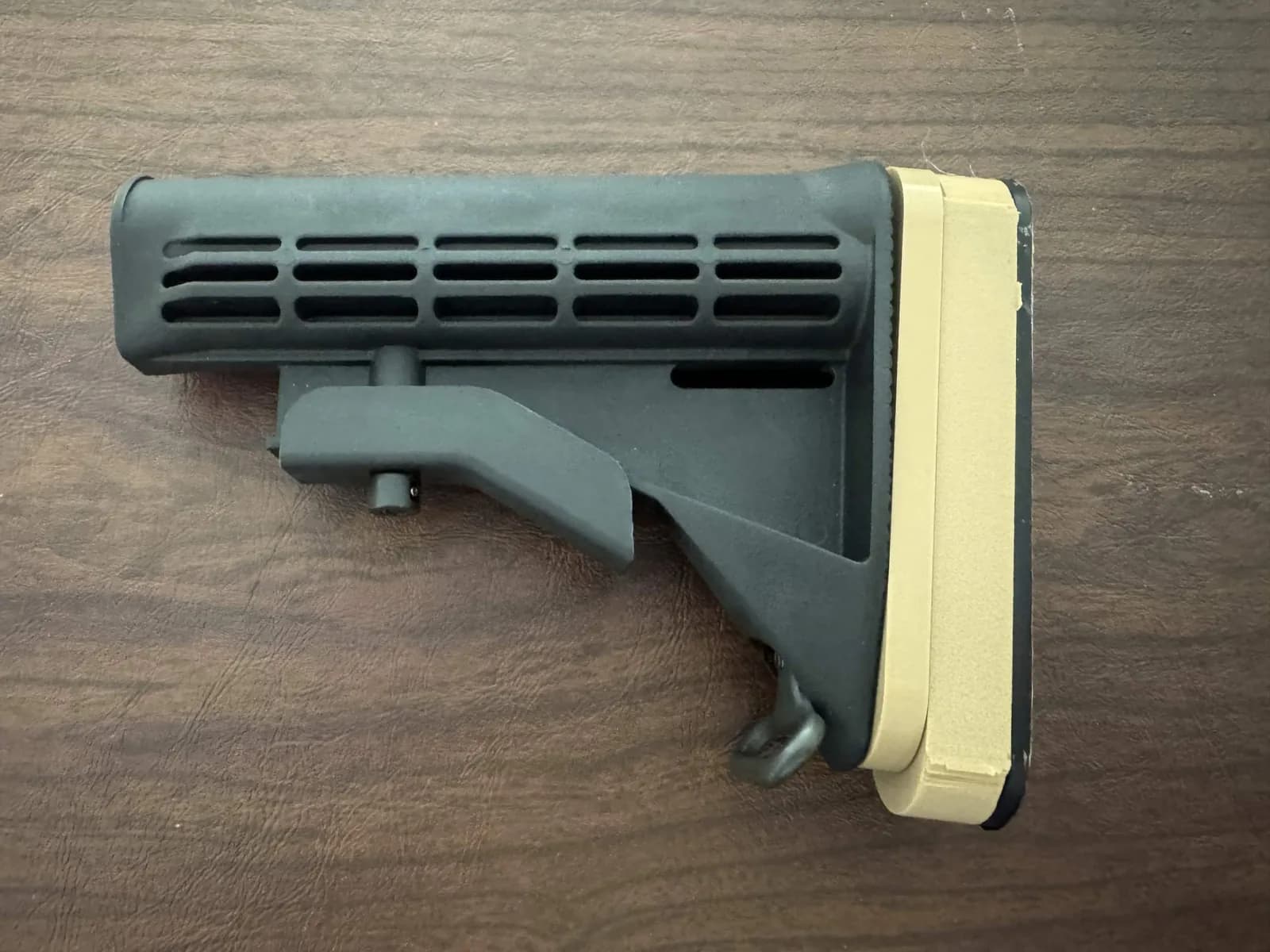
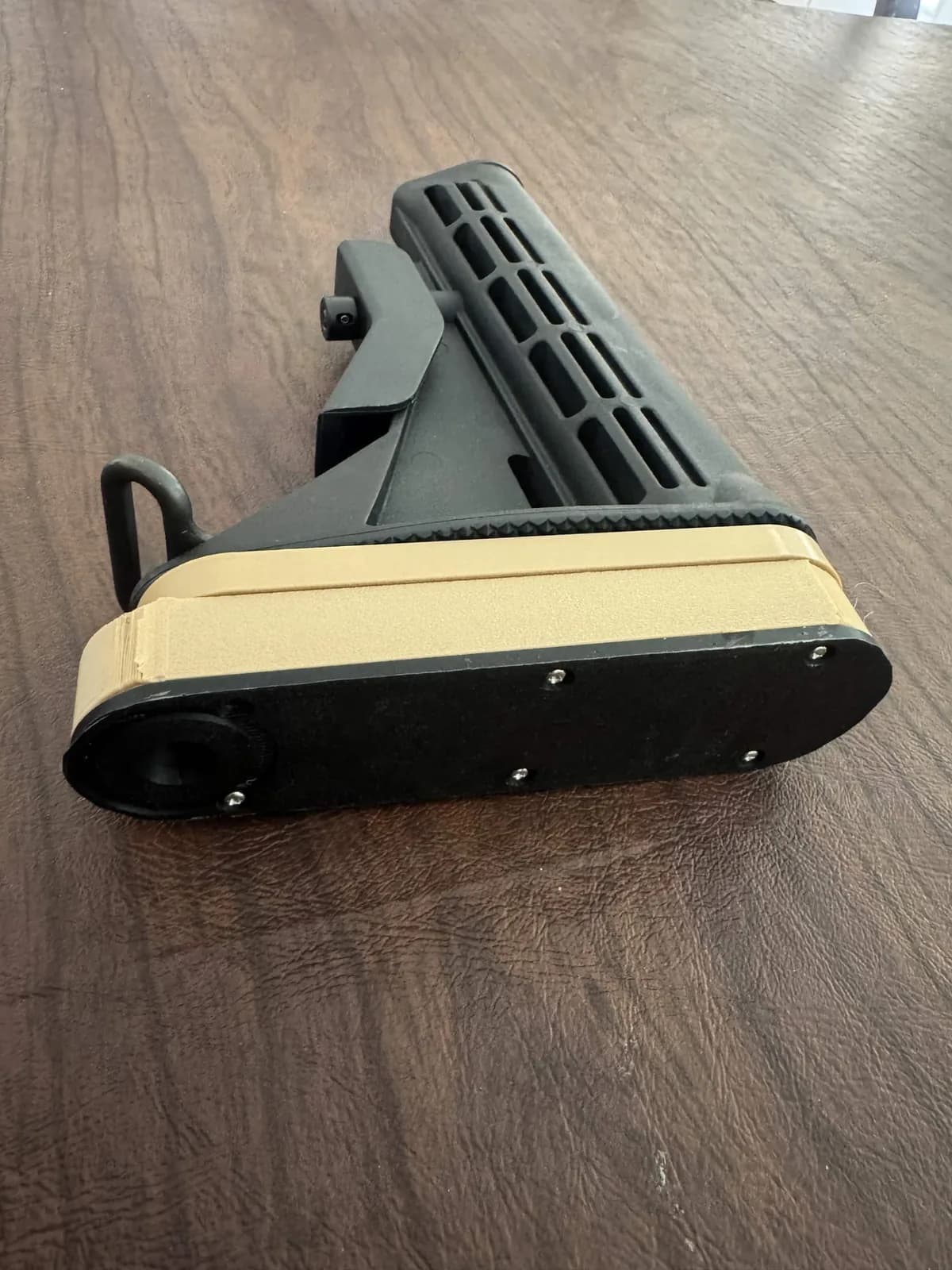
Some imagery on this website is rendered, illustrative, or produced with AI-assisted tools and may depict concepts rather than completed capabilities, conducted tests, or actual operations.
The SAA Family
SAA is physical sensing hardware plus edge software, packaged for host classes from the individual carbine to mounted crew-served systems. One family, one architecture, one formation picture.
Carbines and rifles, the formation's baseline ammunition truth.
Squad automatic weapons feeding the same formation picture.
Sustained-fire positions where state changes fastest.
Mounted and fixed positions with armory-level usage records.
Crew-served launchers unified into the same awareness layer.
One family across the mount, not a separate stovepipe.
Position-level state for distributed security operations, the SAA-BD package.
Usage records and maintenance triggers generated automatically.
Package
SAA-BD applies the family to installation and distributed security: individual and crew-served weapons reporting position-level ammunition and engagement state to the people responsible for the perimeter, without a single radio call.
A security operations center today has camera feeds and voice reports, but no ammunition truth. SAA-BD is designed to close exactly that gap, as one package within the broader family.
Intended users: base-defense and distributed-security personnel. Physical hardware exists in an operationally representative form factor.
Physical hardware and supporting software are undergoing active user evaluation and iterative pilot activity. Pilot activity does not constitute operational fielding, procurement, or government endorsement.
Article usage record concept. Illustrative graphic, not sensor data.
Architecture
SAA runs the same three-layer architecture as every DERECHO armament family. Nothing inside the bore. No fire-control interface. No change to baseline weapon operation. If every sensor fails, the crew still has a fully functioning weapon.
01
Passive external sensing at the article's reaction or structural path. Nothing inside the bore. No fire-control interface. No change to baseline weapon operation.
02
Events are classified locally, on the article itself, by the AUSPEX edge layer. No cloud dependency, no reachback required.
03
FORGEMESH moves approved records through degraded and contested networks to maintenance, armory, logistics, and operator users.
Development Status
SAA hardware and software are in active pilots: physical systems undergoing iterative user evaluation. Each cycle feeds human-factors learning, hardware refinement, and software iteration back into the family. The point of piloting is to be changed by it.
What pilots are for: field-use validation of the awareness concept, fit and workload reality on real equipment, and the unglamorous lessons that only use surfaces.
Pilot organizations, locations, dates, scenarios, data, and results are not published. Pilot activity does not constitute operational fielding, procurement, or government endorsement.
Hardware and software revised between pilot cycles, deliberately.
Awareness that adds zero workload, or it does not ship.
The weapon never depends on the sensor. Worst case is today's baseline.
Software & Networking
Firing events are classified locally on the weapon by the AUSPEX edge layer. No cloud dependency, no reachback required. Approved records move over FORGEMESH to leaders, armories, and maintainers, with an ATAK-compatible workflow under development for end-user devices.
Related Families
Crew-served and mounted weapon awareness
Barrel, tube, and launcher health
Resilient data movement
System in development. Configurations, capabilities, and imagery shown are developmental, illustrative, or notional and are subject to change. Pilot activity does not constitute operational fielding, procurement, or government endorsement.